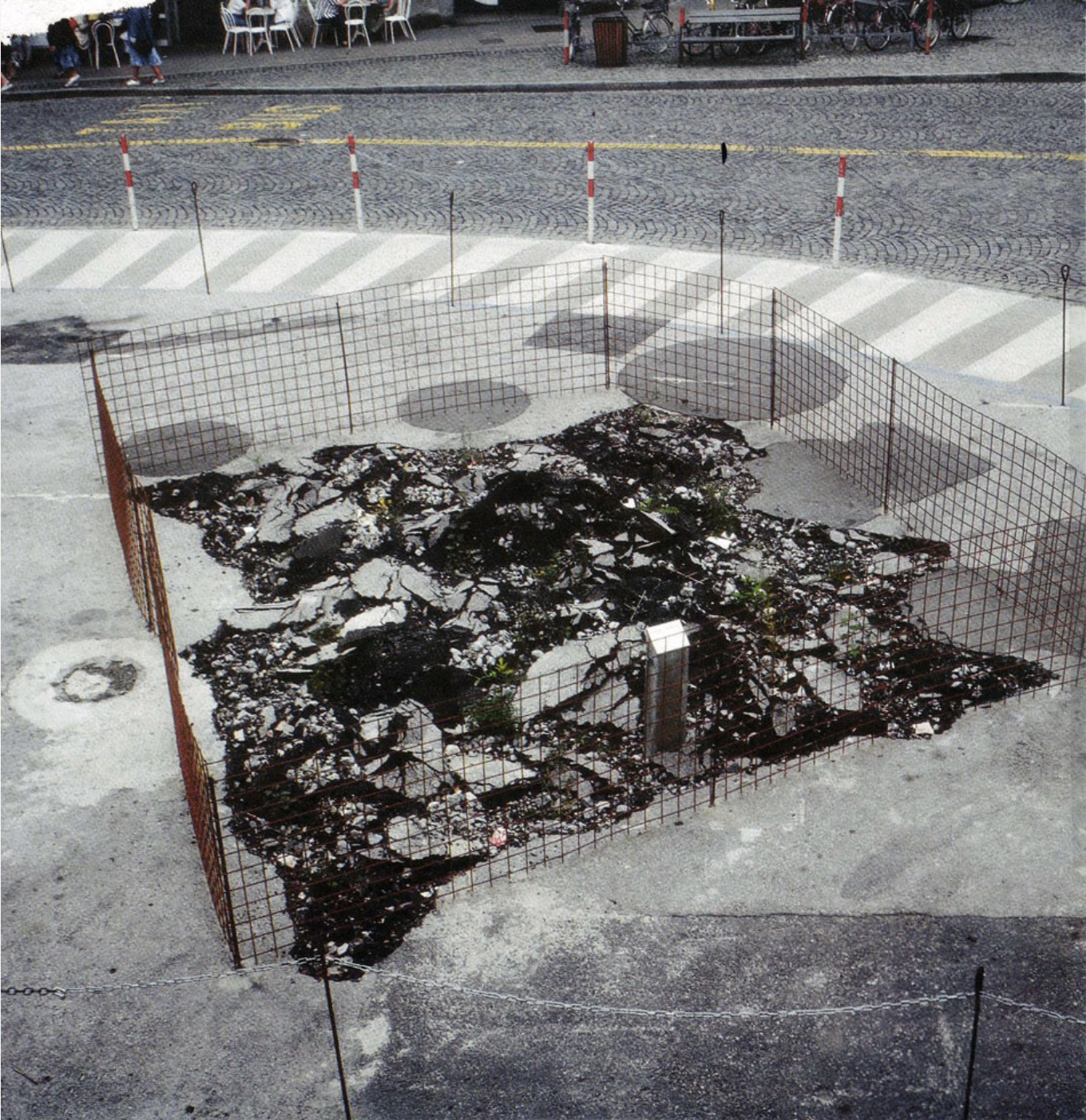
BURN AND BLOOM
07.06.–15.08.26
BONN
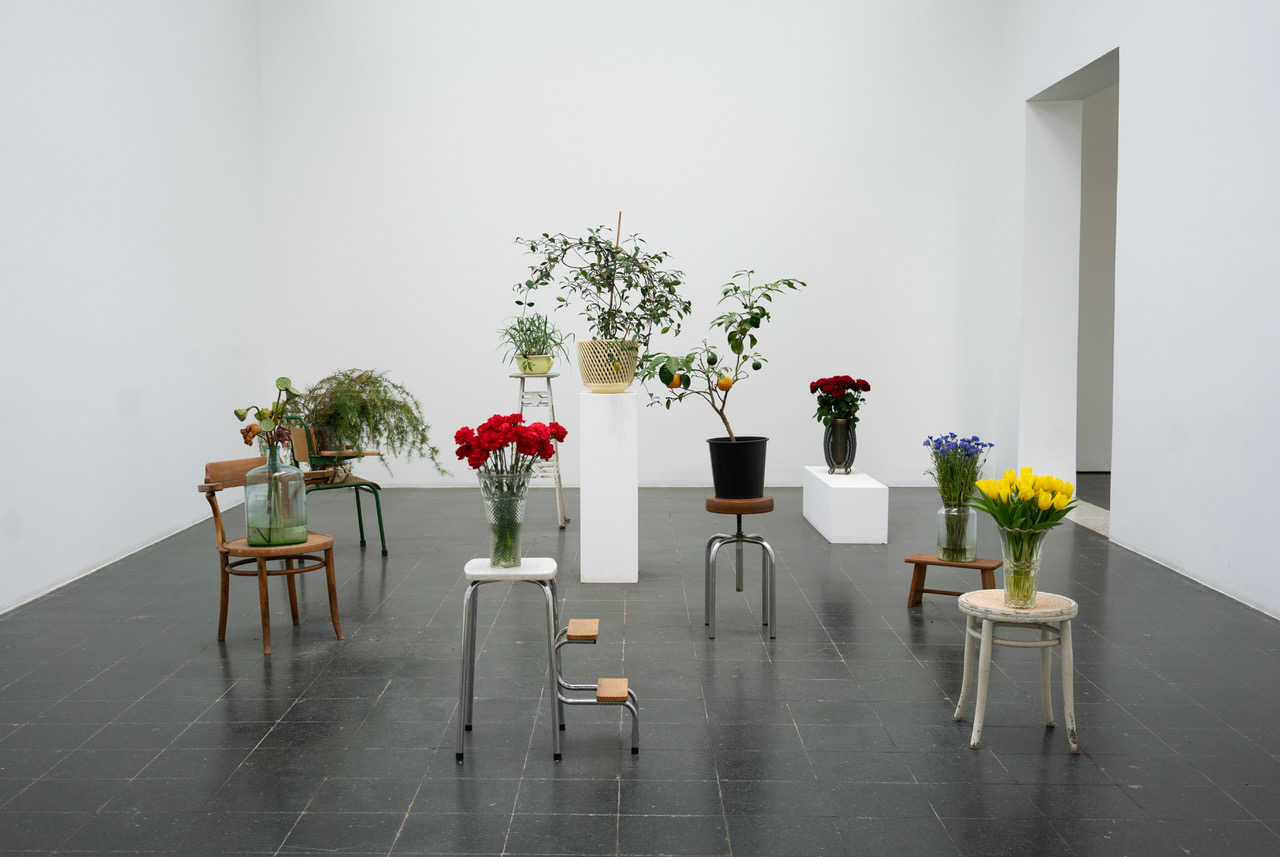
Kim-Camille Kreuz (b. 1999, DE) holds a Bachelor‘s degree in Design and Innovation and is currently studying Fine Arts at the Kunstakademie Düsseldorf with Ed Atkins as well as at the École nationale supérieure des beaux-arts de Paris with Claude Closky and Dove Allouche. She lives and works in Düsseldorf and Paris. Her artistic practice revolves around traces, imprints, and the material presence of things. Rooted in indexical thinking, it involves found objects and serial, fragmented arrangements that examine reproduction, surrogacy, and the relationship between original and copy. Even within a deliberate, thoughtful formal language, a bodily presence remains – expressed not through figure, but through materials and spatial settings. Her work often hovers in the tension between object and absence, between form and shell. In addition to her artistic practice, she is also active as a curator. Her own work fosters a particular sensitivity and closeness in engaging with other artistic positions, as well as a strong ability to recognize and respond to connections in context and form – allowing her to develop her own exhibition formats.
*1999 IN GERMANY, BASED IN DÜSSELDORF AND PARIS
2017 – 2020 Bachelor of Arts Design and Innovation, Leipzig, Germany
2020 – 2022 Artist Assistant
2022 – 2026 Gallery Assistant at Kadel Willborn, Düsseldorf
2025 – Fine Art Studies, L‘ecole des Beaux-arts de Paris, student of Claude Closky, Dove Allouche Fine Art Studies
2021 – … Kunstakademie Düsseldorf, student of Ed Atkins
2026 – … Curatorial Assistant for düsseldorf photo+
EXHBITIONS (s = solo, g = group)
2026 Parrotta Contemporary Art, Cologne, In Suspension (S)
2026 nouveaux deuxdeux, Munich, One Second Longer (S)
2025 Grand Palais, Paris, Paris Photo (G)
2025 Gare de Lyon, Paris, Paris Photo (G)
2025 Kunstmuseum Solingen, Internationale Bergische Kunstaustellung (G)
2025 Malkastenforum, Düsseldorf, HER. un/seen (G)
2025 Kunstquartier Bethanien, Berlin, And again how something and so on or is (G)
2025 KUB Galerie, Leipzig, Don‘t break my dezellularisiertes Schweineherz (G)
2025 Gallery Madé van Krimpen, Amsterdam, DREAMERS (G)
2025 Le cour vitrée, Beaux-arts de Paris, Paris, An Exhibition, curated by Maria Starvinaki (G)
2024 Künstlerverein Malkasten, Düsseldorf, das kleine Format (G)
2024 La Felce, Cologne, doppelter Boden (G)
2023 Künstlerverein Malkasten, Düsseldorf, don‘t you fear the void – (RESHAPING) NARRATIVES (G)
2023 St. Andreas Church, Düsseldorf, don‘t you fear the void – (EMBRACING) PROGRESS (G)
2023 Studio for Artistic Research, Düsseldorf, don‘t you fear the void – (TRANSFORMING) TRADITIONS among others with Rita McBride, Keren Cytter, Dominique Gonzalez-Foerster, RISSA, Katharina Sieverding, Nan Hoover (G)
2023 WRG Studios, Braunschweig, between you and me (S)
2023 Oberbilkerallee 54, Düsseldorf, moving in ; moving out (G)
2023 HGB Gallery, Leipzig, we don‘t actually need gravity (G)
2023 BLOOM, Düsseldorf, Bonded (G)
2022 Stellwerk Glaspavillon, Kassel, POURING PRIMORDIAL SOUP FROM THE PETRI DISH (G)
2022 Verein der Düsseldorfer KünstlerInnen, Düsseldorf, A Library (G)
2021 Culture Walk, Leipzig, Formwandler*in (G)
2021 Kulturbahnhof, Aalen, Monoculture (G)
2019 Institut für Zukunft, Leipzig, 3 Letters of Techno (S)
SCREENINGS AND PERFOMANCES
2024 Künstlerverein Malkasten, Düsseldorf, Düsselnixen am Venusteich, performance 30 x 43 cm
2024 Cinema at Alte Feuerwehrwache, screening of dont you fear the void
2023 Philara Sammlung, What Was Steady Anyway?, screening of the grotto as my home
2023 Künstlerverein Malkasten, Düsseldorf, don‘t you fear the void – (RESHAPING) NARRATIVES, screening and discussion of dont you fear the void
2023 Kö-Bogen Düsseldorf, screening of dont you fear the void
2023 HFBK Hamburg, Living Festival, screening and discussion of dont you fear the void
2023 Studio for Artistic Research, Düsseldorf, don‘t you fear the void – (TRANSFORMING) TRADITIONS, screening of dont you fear the void
2023 HGB Galerie, Leipzig, we don‘t actually need gravity, performance Studie Murphy
SCHOLARSHIPS (s), RESIDENCIES (r), PRIZES (p)
2026 Nomminated for Förderpreis für Künstlerinnen und Künstler des Landes NRW (p)
2026 Nomminated for Förderpreis der Kunststiftung Rainer Wild (p)
2025 Winner of Carte Blanche Students 2025 of Paris Photo at Grand Palais (p)
2025 Nomminated for Internationalen Bergischen Kunstpreis 2025 (p)
2025 DFJW – scholarship (s)
2024 Deutschlandstipendium, scholarship (s)
2021 documenta fifteen, Sandershaus Kassel (r)
CURATORIAL WORK
2025 Paris Photo, Booth of the City Düsseldorf presenting local photo artists
2025 Gallery Kadel Willborn, Düsseldorf, In Between Transit with Andria Dolidze, Amelie Karweick, Ming Yuan, Moreno Schweikle, Paola Siri Renard, Ja Jess and Jessica Tille
2024 Künstlerverein Malkasten, Düsselnixen am Venusteich with Elvo Axt, Camille Batteux, Viktoria Feierabend, Julia Diêp My Feige, Faafa Fine, Keta Gavasheli, Aaron Nora Kappenberger, Kim-Camille Kreuz, Moritz Krauth, Jule Kupper, Aljoscha Lahner, Dylan Maquet, Murat Önen, Kaya Pfaff, Moritz Riesenbeck, Fabio Sacher, Dominik Schmitt, Linda Skellington
2023 Studio for Artistic Research, Düsseldorf, don‘t you fear the void – (TRANSFORMING) TRADITIONS with Janine Böckelmann, Rabea Chatha, Catherina Cramer, Keren Cytter, Mareike Föcking, Isabella Fürnkäs, Dominique Gonzalez-Foerster, lezees Abou Hatab, Nan Hoover, Uschi Huber, Lena Hugger, IG Frauen in der Bildenden Kunst , Jody Korbach, Kim-Camille Kreuz, Rita McBride, Giulietta Ockenfuß, Rissa, Katharina Sieverding, Shannon Sinclair
INSTITUTIONAL COLLECTIONS
KUNSTPALAST DÜSSELDORF, GERMANY
IN SUSPENSION AT PARROTTA CONTEMPORARY ART CABINET COLOGNE
2.4. – 22.5.2026
Die jüngste Werkserie von Kim-Camille Kreuz bewegt sich im Spannungsfeld von Fotografie und Skulptur und untersucht die Bedingungen von Sichtbarkeit, Spur und Materialität. Im Zentrum steht dabei die Frage, wie sich flüchtige visuelle Konstellationen in dauerhafte Formen überführen lassen und was dabei sichtbar bleibt oder verloren geht.
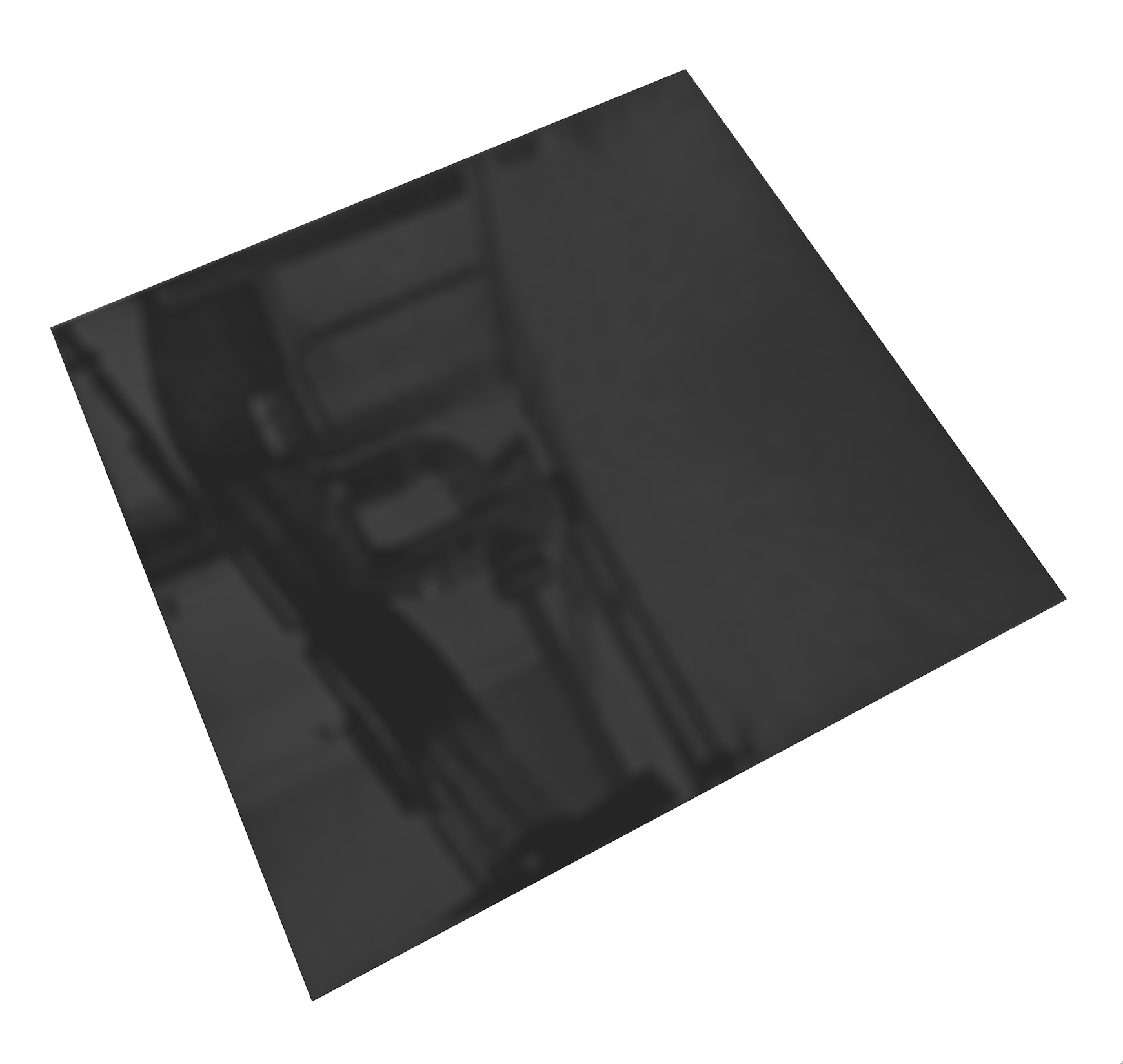
Ausgangspunkt ist ein Moment der Instabilität: eine glänzende, noch flüssige Wachsoberfläche, die für kurze Zeit als Spiegel fungiert. In ihr erscheinen fragmentarische Reflexionen des Ateliers – Licht, Fenster, Gegenstände, Schatten – als temporäre Bildkonstellationen. Diese Erscheinungen sind weder vollständig kontrollierbar noch wiederholbar; sie existieren nur für die Dauer eines spezifischen materiellen Zustands. Indem Kreuz diese Momente fotografisch festhält und anschließend auf genau jene Wachsoberfläche zurückführt, in der sie entstanden sind, schließt sich ein Kreislauf von Erscheinung, Aufnahme und materieller Fixierung. Das Bild ist nicht Reproduktion eines beliebigen Motivs, sondern an seinen eigenen Entstehungskontext gebunden. Es ist indexikalisch, aber auf eine Weise, die ihre eigenen Voraussetzungen offenlegt.
In dieser Rückführung verschiebt sich das Verständnis von Fotografie grundlegend. Das fotografische Bild erscheint nicht mehr als immaterielle Oberfläche, die eine Realität transparent vermittelt, sondern als physisch erfahrbares Objekt. Die opake Dichte des Wachses, seine Tönung und seine Spuren brechen mit der vermeintlichen Neutralität und Glätte der fotografischen Oberfläche. Sichtbarkeit wird hier nicht optimiert, sondern moduliert: Je nach Pigmentierung reduziert sich das Bild auf Lichtwerte, Konturen oder nahezu abstrakte Strukturen. Die Fotografie wird zu einem Prozess des Hervorbringens und gleichzeitigen Entziehens.
Diese Auseinandersetzung mit der Indexikalität des fotografischen Bildes knüpft an zentrale Fragestellungen an, die Kreuz bereits in früheren Werkgruppen verfolgt hat. In I can’t tell you right now wurde das Sehen selbst als zeitlich gebundene Entscheidung sichtbar: Innerhalb einer festgelegten Dauer – einer Busfahrt – entstand jeweils genau ein Bild. Wiederholung und Regelhaftigkeit bildeten dabei den Rahmen, in dem Differenz überhaupt erst wahrnehmbar wurde. Der fotografische Akt erschien als selektiver Zugriff auf ein kontinuierliches visuelles Feld, als bewusste Setzung innerhalb eines begrenzten Zeitfensters.
Während dort die zeitliche Struktur des Sehens im Vordergrund stand, verschiebt sich der Fokus nun auf die materiellen Bedingungen des Erscheinens selbst. Bereits in the grass is always greener on the other side wurde der Rahmen vom neutralen Träger zum aktiven Bestandteil des Bildes: Er strukturierte nicht nur, sondern machte seine eigene Funktion sichtbar und verwies auf ein Dahinter, das sich dem Zugriff entzieht. Sichtbarkeit wurde als ein Spiel von Zeigen und Verbergen erfahrbar.
In der Serie The best part you missed verdichtete sich diese Fragestellung weiter über das Motiv der Fragmentierung. Fotografierte Glasstücke fungierten als materielle Relikte eines nicht mehr rekonstruierbaren Ereignisses. Die Bruchstellen, Kanten und Überlagerungen erzeugten eine Bildlogik, in der sich Transparenz und Opazität, Ganzheit und Fragment gegenseitig durchdringen. Auch hier wurde nicht das Ereignis selbst sichtbar, sondern seine Spur.
Die aktuellen Wachsarbeiten führen diese Überlegungen zusammen und radikalisieren sie zugleich. Erstmals fällt der Bildträger mit dem Moment der Bildentstehung zusammen: Das Material, das das Bild hervorbringt, ist identisch mit dem Material, das es trägt. Dadurch entsteht eine enge Kohärenz zwischen Form und Inhalt, in der sich der Entstehungsprozess selbst als Spur im Werk einschreibt. Unebenheiten, Einschlüsse und Oberflächenvariationen sind keine Störungen, sondern konstitutive Elemente der Arbeit.
Zugleich verschiebt sich die Rolle der Künstlerin innerhalb dieses Gefüges. Viele der Motive in Kreuz’ Arbeiten – urbane Strukturen, industrielle Oberflächen, serielle Anordnungen – sind von einer gewissen Anonymität geprägt und entbehren oft direkter menschlicher Präsenz. In den Wachsarbeiten jedoch wird die subjektive Setzung stärker sichtbar: in der Wahl des Moments, in der Materialbearbeitung, in den irreversiblen Entscheidungen des Prozesses. Die Handschrift der Künstlerin zeigt sich nicht als expressive Geste, sondern als eingeschriebene Spur im Material selbst.
So entstehen Objekte, die sich einer eindeutigen Zuordnung entziehen. Sie sind weder reine Fotografien noch klassische Skulpturen, sondern bewegen sich in einem Zwischenraum, in dem sich beide Medien gegenseitig durchdringen. Als handgefertigte Unikate widersprechen sie zugleich der Vorstellung fotografischer Reproduzierbarkeit und verweisen auf eine Praxis, in der Wiederholung, Variation und Materialität untrennbar miteinander verbunden sind.
Vielleicht liegt genau darin die Konsequenz ihres Ansatzes: dass jedes Bild zugleich Spur eines Moments ist, der bereits vergangen ist, und materielles Objekt, das diesen Moment nicht bewahrt, sondern in eine neue, eigenständige Form überführt.
english
The current body of work by Kim-Camille Kreuz operates within the tension between photography and sculpture, examining the conditions of visibility, trace, and materiality. At its core lies the question of how fleeting visual constellations can be translated into lasting forms, and what remains visible—or is lost—in the process.
The point of departure is a moment of instability: a glossy, still-liquid wax surface that briefly functions as a mirror. Within it, fragmentary reflections of the studio appear—light, windows, objects, shadows—as temporary image constellations. These appearances are neither fully controllable nor repeatable; they exist only for the duration of a specific material state. By capturing these moments photographically and subsequently returning them to the very wax surface in which they originated, Kreuz establishes a cycle of appearance, recording, and material fixation. The image is not a reproduction of an arbitrary motif, but is bound to its own context of emergence. It is indexical, but in a way that exposes its own conditions.
In this act of return, the understanding of photography shifts fundamentally. The photographic image no longer appears as an immaterial surface that transparently conveys reality, but as a physically tangible object. The opaque density of the wax, its tint and its traces, disrupt the presumed neutrality and smoothness of the photographic surface. Visibility is not optimized here, but modulated: depending on pigmentation, the image is reduced to light values, contours, or nearly abstract structures. Photography becomes a process of simultaneous production and withdrawal.
This engagement with the indexicality of the photographic image connects to central questions that Kreuz has already pursued in earlier bodies of work. In I can’t tell you right now, seeing itself became visible as a temporally bound decision: within a fixed duration—a bus ride—exactly one image was produced each time. Repetition and regularity formed the framework within which difference could become perceptible at all. The photographic act appeared as a selective intervention into a continuous visual field, as a deliberate setting within a limited time window.
While the temporal structure of seeing was foregrounded there, the focus now shifts toward the material conditions of appearance itself. Already in the grass is always greener on the other side, the frame transformed from a neutral support into an active component of the image: it not only structured but made its own function visible, pointing to a beyond that eludes access. Visibility became perceptible as a play of showing and concealing.
In the series The best part you missed, this line of inquiry condensed further through the motif of fragmentation. Photographed pieces of glass functioned as material relics of an event that can no longer be reconstructed. Breaks, edges, and overlaps produced an image logic in which transparency and opacity, wholeness and fragment interpenetrate. Here, too, it was not the event itself that became visible, but its trace.
The current wax works bring these considerations together while simultaneously radicalizing them. For the first time, the image support coincides with the moment of image production: the material that generates the image is identical to the material that carries it. This creates a tight coherence between form and content, in which the process of emergence inscribes itself as a trace within the work. Irregularities, inclusions, and surface variations are not disturbances but constitutive elements.
At the same time, the role of the artist within this constellation shifts. Many of the motifs in Kreuz’s work—urban structures, industrial surfaces, serial arrangements—are marked by a certain anonymity and often lack direct human presence. In the wax works, however, subjective decisions become more visible: in the choice of moment, in the handling of material, in the irreversible decisions of the process. The artist’s signature does not appear as an expressive gesture, but as a trace inscribed into the material itself.
The result is a body of objects that resists clear categorization. They are neither pure photographs nor classical sculptures, but operate in an in-between space where both media permeate one another. As handmade unique pieces, they simultaneously challenge the notion of photographic reproducibility and point toward a practice in which repetition, variation, and materiality are inseparably intertwined.
Perhaps this is precisely the consequence of her approach: that each image is at once the trace of a moment that has already passed, and a material object that does not preserve this moment, but transforms it into a new, autonomous form. (translation by ai)